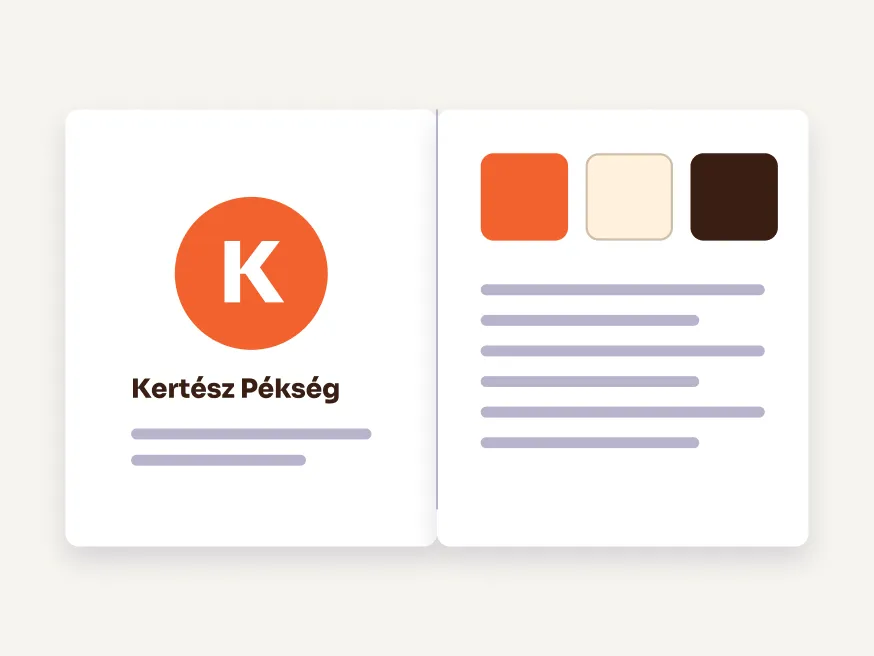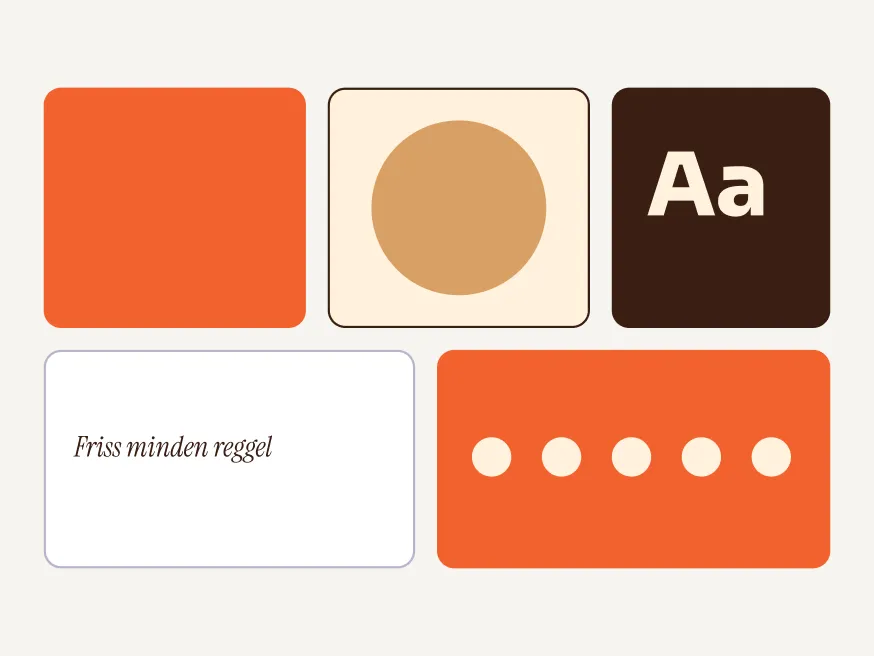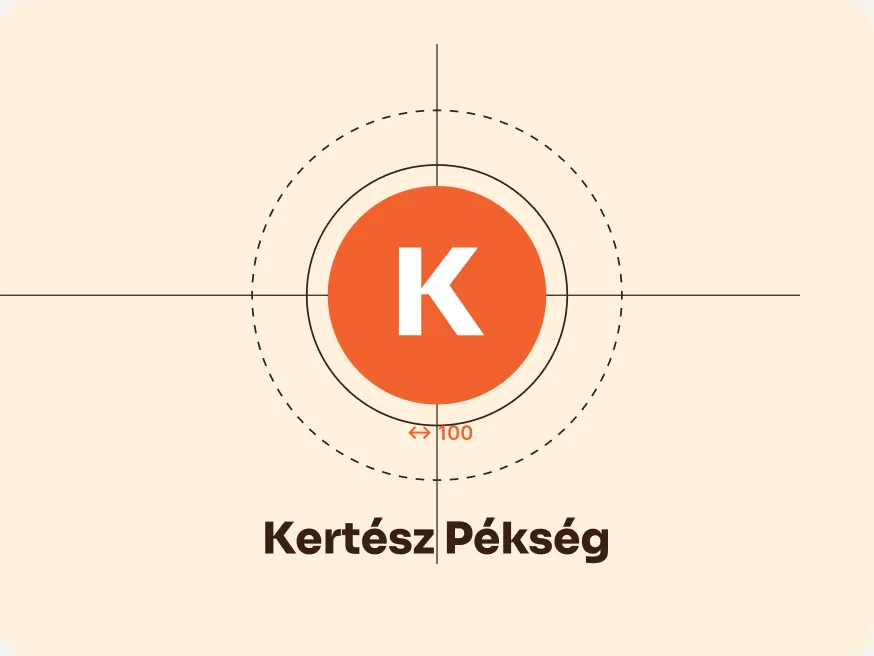
If you only appear in a few places for now, and your company or product is still taking shape, a well-designed logo with its variations is enough to start. If you need a website, proposals, social media and printed material from the outset, and several people produce them, the full brand identity saves time and money, because nobody has to work out from scratch what your brand should look like each time something new is made.
1. The two side by side
| Aspect | Logo | Full brand identity |
|---|---|---|
| What you get | The logo in all its variations, in colour and in a single colour, with source files and a short usage guide. | A brand strategy summary, the logo and its variations, colours and typefaces, designs for your main touchpoints and the brand guidelines. |
| What it covers | A business card, a simple website, your social profiles and your first proposals. | Every touchpoint from ads to packaging, even when new material is made later. |
| Who carries it on | Whoever uses the logo adds the other elements to it based on their own taste. | Anyone who receives the guidelines, an in-house colleague just as much as an outside printer or developer. |
| Decisions on your side | Fewer, mainly about the character of the mark and the colours. | More, because we also decide together on the voice and the imagery of the brand. |
| Room to grow | The full identity can be built on it later without replacing the logo. | New touchpoints are made from the existing rules, with no redesign. |
2. Which one to choose
The logo is enough if
- you are just starting and still testing who your product is for
- you appear in one or two places, for example a simple website and Instagram
- you make your own materials for the time being
- you would rather spend your budget on winning your first clients
The full brand identity pays off if
- you need to look consistent across many touchpoints from launch
- you have to earn the trust of larger clients or partners from the first meeting
- several people make your materials, an in-house team and outside partners alike
- you are launching under a new name with an established professional background behind you
The difference usually shows after about six months. With only a logo, every new piece looks slightly different, because whoever makes it decides how it should look. Your clients notice that your brand seems more formal in one place and more relaxed in another, and trust builds more slowly as a result. With a full identity, the same six months are about your touchpoints reinforcing each other, and more and more people recognising your brand at first sight.
3. An example from our work
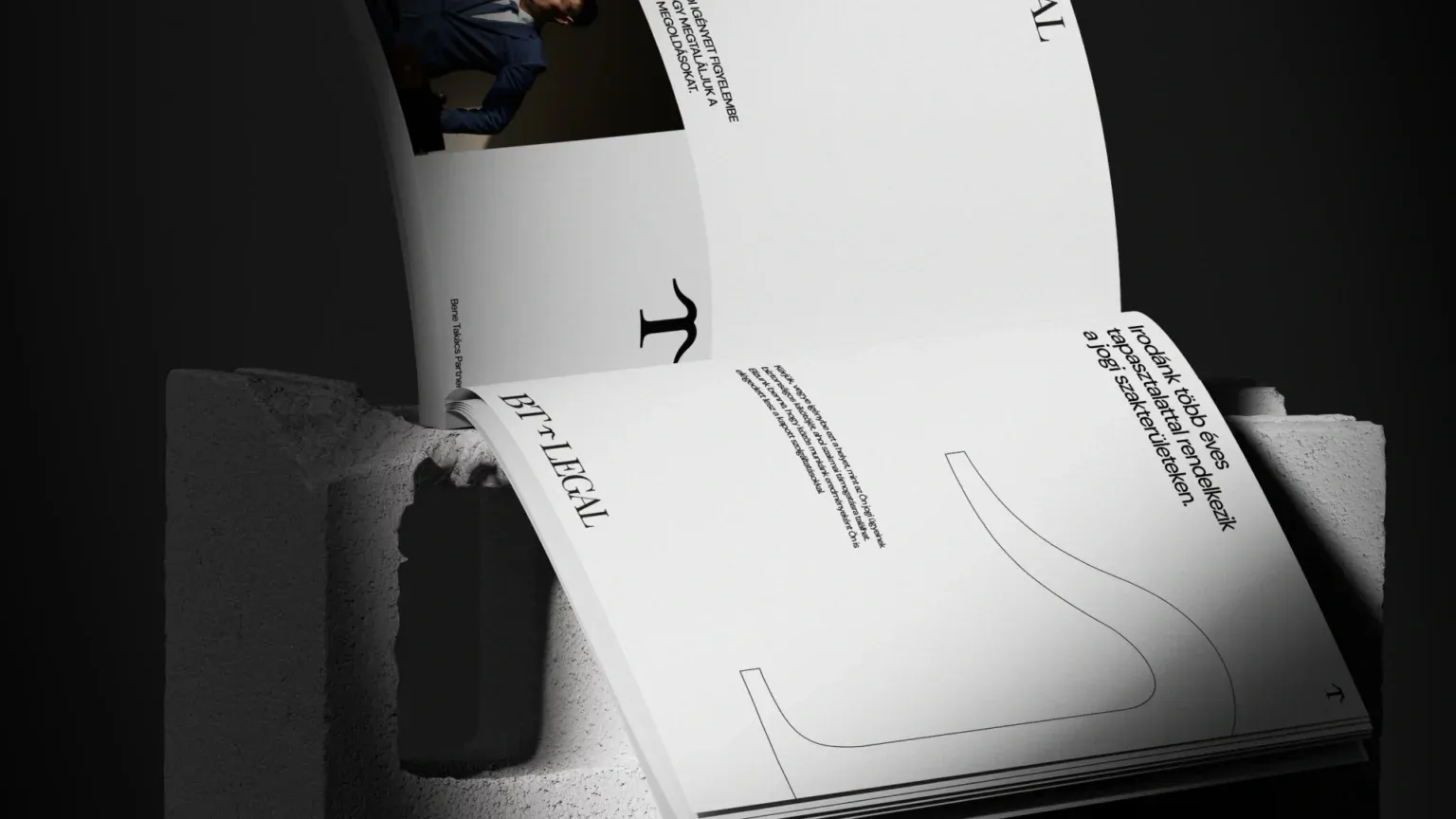 BT Legal identity For a new law firm, trust matters from the very first meeting, so we designed the full brand identity for BT Legal straight away, giving it the same serious yet youthful image on every touchpoint. See the case study
4. What a full brand identity includes
A full brand identity has many more elements than a logo, and at its heart is a set of rules. It starts with a brand workshop where we agree on who your brand speaks to and in what voice. The logo, the colour palette, the typeface pairing and the imagery are built on this, and then we test them on your main touchpoints.
Finally everything goes into brand guidelines, together with the source files. Your team, the printer and a future developer all work from them in the same way, so a new ad or new packaging comes out of the existing system and you do not need to call a designer every time.
5. Worth thinking through before you decide
- How many places you will appear in during the first six months, and which of them you make yourself and which someone else makes.
- Whose trust you need to win first, private individuals or the decision-makers of a larger company.
- How settled your name and your target audience are, and how mature your offer is.
- How much time you will have to decide how each new piece should look.
If your answers to these are mostly uncertain, the logo is the better start. If you can answer most of them with confidence, the full identity is the better investment, because even the material of your first months comes from one system.
6. If you start with the logo
We design the logo so that the full identity can be built on it later. The variations and the single-colour version are made at the start, so the mark works at small sizes, on dark backgrounds, in print and as a profile picture, and nothing needs to change when the other elements arrive.
It is worth choosing one or two core colours and a typeface at this stage too, and using them consistently. Used consistently, they already make your first touchpoints belong together and reduce the fixes needed later, even before the full identity exists.
The time to switch usually comes when you notice that you are thinking about colours and fonts again with every new piece, or when your materials no longer look alike. At that point we build the full system on your existing logo.
7. Frequently asked questions
How long does a logo take, and how long does a full brand identity take?
A logo is a shorter process because it needs fewer decisions. The schedule of a full identity depends mostly on how many touchpoints we design and how quickly decisions are made on your side. After our first conversation you receive the schedule in writing.
If I only order a logo now, can it grow into a full identity later?
Yes. We set up the logo design so that the full identity can be built on it, keeping your existing mark and aligning the other elements with it.
What are brand guidelines, and do I need them?
Brand guidelines record how to use the logo, the colours, the typefaces and the images, with examples for the main touchpoints. You need them once you are no longer the only person making your materials, because anyone can then work correctly on their own.
What should I ask for if I only order the logo?
Ask for the logo in every variation, in colour and in a single colour, along with the source files and a short usage guide. With us these are part of the basic logo design package.
What if I already have a logo but I am not happy with it?
Then a brand audit is the best place to start. We gather where and how your brand appears today, and look at what is worth keeping and what needs a new design.